

If you’ve got a 401(k), chances are when you first signed up, you were just dropped into some default investment option. Easy. Automatic. No thought required.
That “default” nine times out of ten? A Target Date Fund (TDF).
They’re the set-it-and-forget-it solution, managing trillions of retirement dollars. But here’s the uncomfortable truth: that so-called safe default might be costing you a fortune.
The Logic Behind Target Date Funds
Target Date Funds follow something called lifecycle investing. The formula is simple:
- When you’re young → load up on stocks for growth.
- As you get closer to retirement → shift into bonds for safety.
TDFs automate this process through a glide path. At age 25 you might be 90% in stocks, but by 65 you’ve been dialed down to around 40%. Hands-off. Diversified. Professionally managed.
Sounds smart. Feels safe. No wonder millions rely on them.
But safety on paper doesn’t always equal security in life.
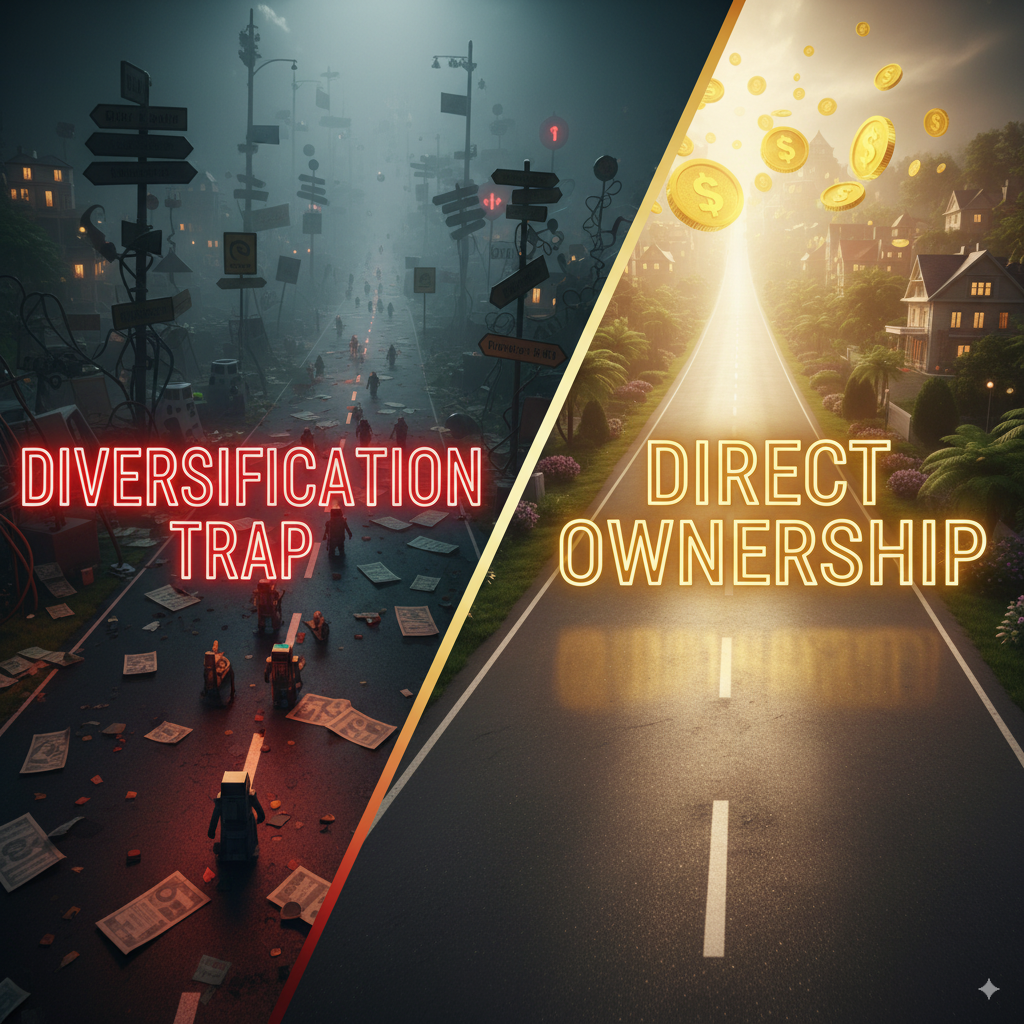
The Retirement Income Gap
Here’s the catch. By shifting into bonds too early, TDFs risk leaving investors with too little growth to cover a 20–30 year retirement.
It creates what researchers call the retirement income gap—the difference between the lifestyle you’re planning for and the money your 401(k) will actually support.
Think of it like an iceberg. The small piece you see above the water looks fine. But underneath? A massive, hidden risk.
The Case for Staying in Stocks
Enter the radical alternative: the all-equity strategy. Instead of dialing back risk as you age, you stay invested in stocks for life.
Why? Because history is clear:
- Stocks crush bonds in long-term returns.
- Stocks fight inflation far better than fixed income.
- Stocks fund longevity, supporting decades of retirement income.
Here’s the number that should make you sit up: 39%.
According to one major study, an all-equity portfolio generates 39% more wealth by retirement than a standard target date fund. Even more striking? The chance of running out of money nearly triples in TDFs compared to an all-stock plan.
And unless you’re saving double—20% of your salary instead of 10%—you’ll struggle to keep up with someone who stayed in equities.
The Real Risk Isn’t What You Think
Now, let’s be clear: going all-in on stocks isn’t easy. Market downturns hurt. The volatility tests your resolve. The “psychological pain,” as the researchers call it, is real.
But here’s the paradox: avoiding short-term pain may lock you into long-term failure.
For decades, Wall Street trained investors to fear the rollercoaster of stocks. But the bigger risk isn’t a crash—it’s a slow bleed from not growing enough.
That’s the danger that silently eats away at retirement dreams.
Three Big Takeaways
- Default Target Date Funds may leave you short. They protect against volatility but often sacrifice long-term growth.
- All-equity strategies can deliver 39–50% more wealth. The math doesn’t lie.
- Redefine risk. It’s not about avoiding dips—it’s about ensuring your money lasts as long as you do.
The Bottom Line
If wealth is your goal, the real question isn’t: “How much risk can I handle today?”
The real question is: “Am I building my retirement plan for comfort now, or survival later?”
Wall Street wants you to believe safety means bonds. But safety, in truth, comes from owning enough great businesses to outgrow inflation and sustain your life for decades.
This isn’t opinion. It’s math.
Let’s talk about how your 401(k) defaults are shaping your future—and whether it’s time to rewrite the plan.